→ Abatement
Abatement involves the removal, reduction, or containment of hazardous materials and pollutants from buildings and environments. This process is crucial for ensuring the safety and health of occupants and workers, as well as for compliance with environmental regulations.
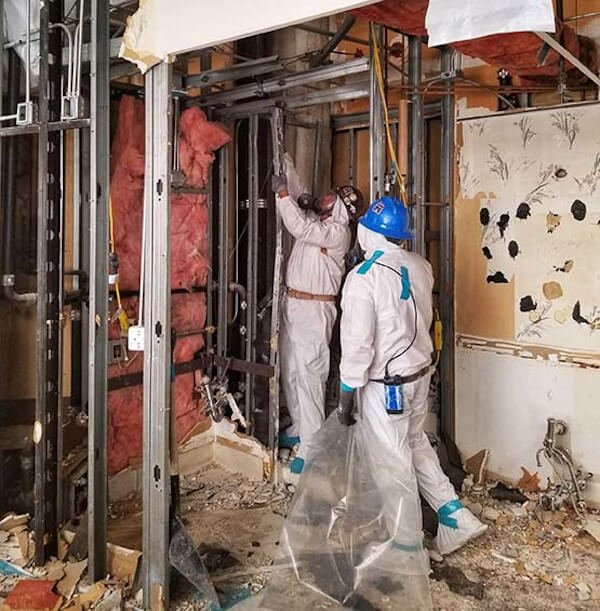
Hazardous Material Removal
Removing hazardous materials from buildings and sites to ensure safety and compliance with regulations.
- Asbestos Removal: Safe extraction and disposal of asbestos-containing materials.
- Lead Paint Abatement: Removing or encapsulating lead-based paint to prevent exposure.
- Mold Remediation: Identifying and eliminating mold growth to protect indoor air quality.

Compliance and Safety
Ensuring all abatement processes comply with local, state, and federal regulations and safety standards.
- Regulatory Compliance: Adhering to all relevant laws and guidelines for hazardous material handling and disposal.
- Safety Protocols: Implementing strict safety measures to protect workers and occupants during abatement.
- Documentation and Reporting: Maintaining thorough records of abatement activities for regulatory review and compliance verification.

Air Quality Management
Specializing in the design and construction of steel and concrete structures, we provide robust solutions for high-rise buildings, industrial facilities, bridges, and other large-scale projects.
- Air Monitoring: Regularly testing air quality to detect any remaining contaminants.
- Ventilation Systems: Upgrading or installing ventilation systems to maintain clean air.
- Ongoing Maintenance: Implementing maintenance schedules to ensure continued air quality and safety.
“Ensure the safety and stability of your building with our structural analysis and design services. We evaluate loads, create detailed structural plans, and select the best materials to guarantee a robust and compliant structure.”
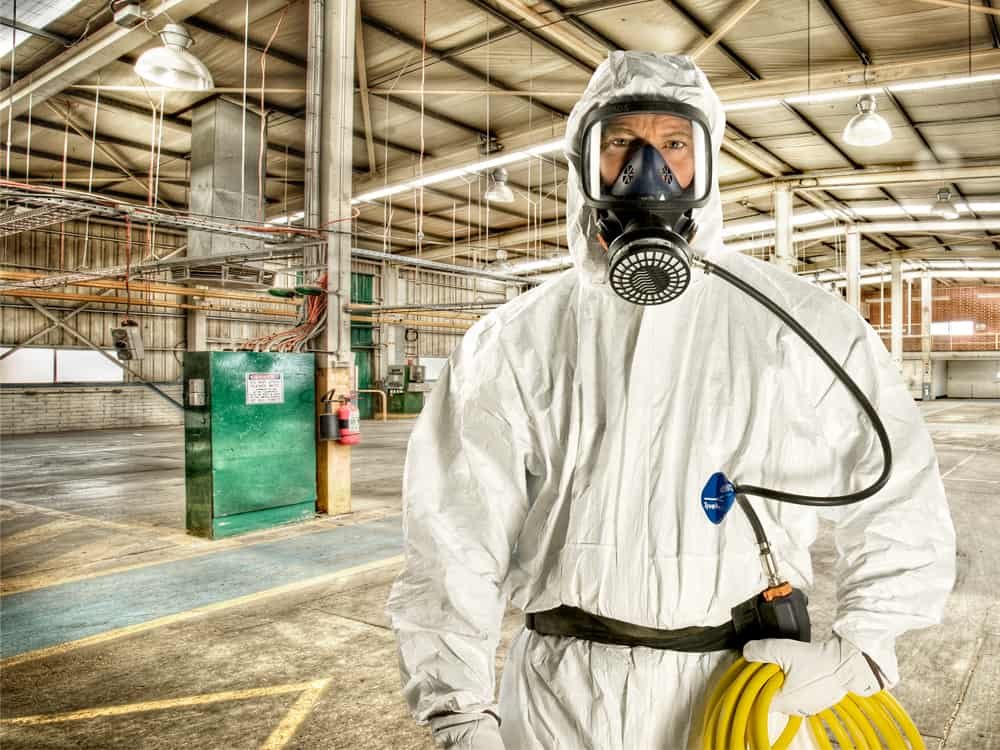
Containment and Reduction
Implementing strategies to contain and reduce hazardous materials and pollutants in environments where complete removal is not feasible.
- Encapsulation: Sealing hazardous materials to prevent release and exposure.
- Air Filtration Systems: Installing high-efficiency air filtration systems to reduce airborne contaminants.
- Decontamination: Cleaning and disinfecting surfaces and areas to remove hazardous substances.
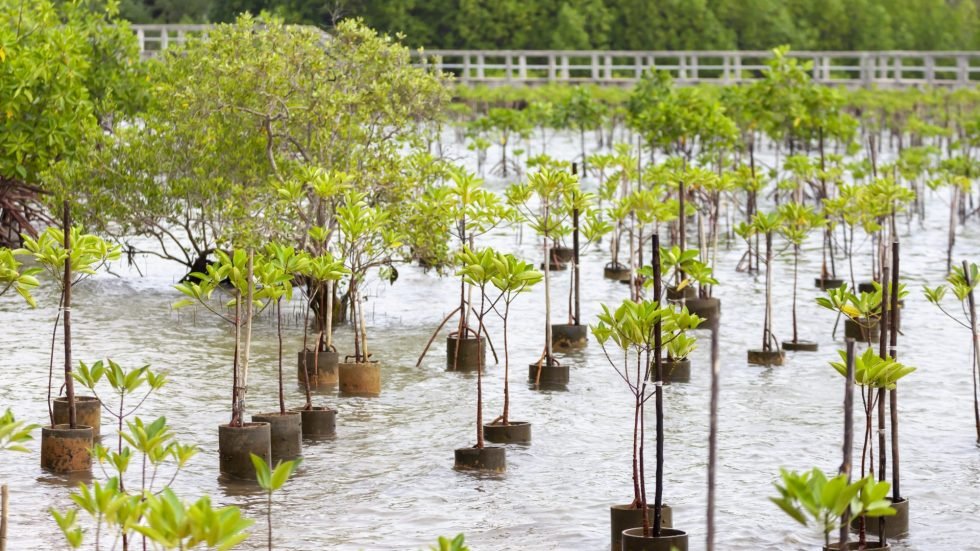
Environmental Restoration
Restoring environments to a safe and habitable condition after the removal of hazardous materials.
- Soil Remediation: Removing or neutralizing contaminants in the soil.
- Water Treatment: Ensuring water quality by removing pollutants and hazardous substances.
- Reconstruction: Repairing and rebuilding affected areas to restore functionality and aesthetics.